
When you’re diagnosed with tuberculosis, a bacterial infection that mostly attacks the lungs and requires months of targeted antibiotics to cure. Also known as TB, it’s not just a historical disease—it’s still a leading cause of death worldwide, and treating it right can mean the difference between recovery and lifelong complications. Most people think TB treatment is simple: take your pills and you’re fine. But the reality is messier. The standard first-line drugs—isoniazid, rifampin, ethambutol, and pyrazinamide—work well for drug-sensitive TB, but only if you take them exactly as prescribed, every single day, for at least six months. Miss a few doses, and you risk turning a treatable infection into something far harder to kill: drug-resistant TB, a form of tuberculosis that doesn’t respond to the most common antibiotics, requiring longer, more toxic, and far more expensive treatment.
Why does this happen? Because TB bacteria are stubborn. They hide in lung tissue, slow down their metabolism, and survive even when most drugs are working. That’s why treatment isn’t one drug—it’s a cocktail. And if you stop early because you feel better, the weakest bacteria die, but the toughest ones live on and multiply. That’s how drug resistance starts. The World Health Organization says over 450,000 new cases of drug-resistant TB emerge every year. Many of these could’ve been prevented with better adherence. And adherence isn’t just about willpower—it’s about managing side effects like nausea, nerve damage, or liver problems. Some people can’t tolerate standard drugs and need alternatives like bedaquiline or linezolid, which are newer, more expensive, and harder to access. Even then, treatment can stretch to 9–20 months. That’s why tracking your progress matters. Keeping a medication journal, knowing which generic brands work best for you, and spotting early signs of liver stress can save your life.
It’s not just about the drugs. Nutrition, avoiding alcohol, and quitting smoking all play a role in how well your body fights TB. And if you’re on other meds—like SSRIs or blood thinners—you need to watch for dangerous interactions. A simple change in your routine, like skipping a meal before taking rifampin, can drop its effectiveness by half. This collection of articles doesn’t just list drugs. It shows you how real people manage long-term TB treatment, what to do when side effects hit, how to appeal insurance denials for expensive second-line drugs, and why switching generics can sometimes backfire. You’ll find advice on tracking symptoms, dealing with drug-resistant cases, and understanding how your body responds over time. This isn’t theory. It’s what works for people who’ve been through it.
 1 December 2025
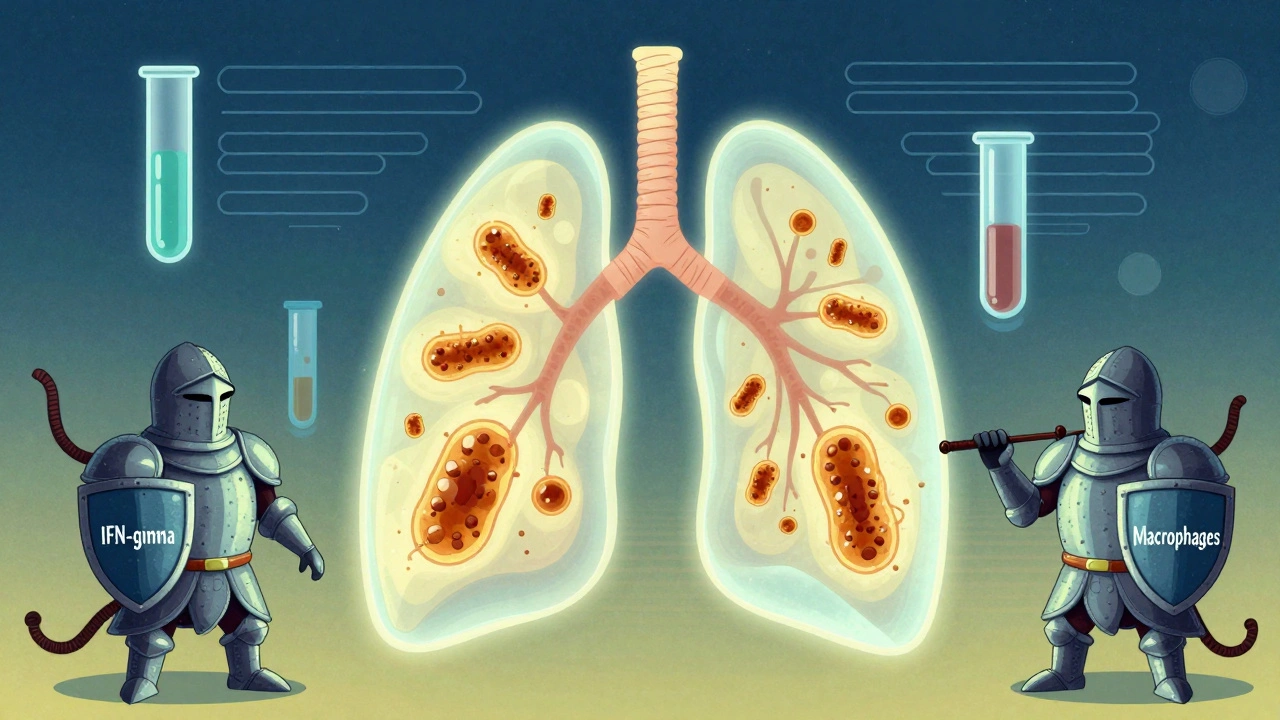
Tuberculosis can remain hidden for years as latent infection or become deadly as active disease. Learn how to tell them apart, why treatment differs, and how drug therapy stops transmission and saves lives.



©2026 rxmedicin.su. All rights reserved
15