
When people talk about steroid use MS, the use of anabolic steroids to manage muscle weakness in multiple sclerosis. Also known as anabolic steroid therapy for MS, it's a topic that mixes real medical need with serious risks. Multiple sclerosis doesn’t just cause fatigue—it slowly eats away at muscle strength, making everyday movements harder. Some patients turn to steroids not for bodybuilding, but to fight the loss of mobility. But here’s the catch: these aren’t the same steroids used by athletes. Medical use is tightly controlled, and even then, it’s not a long-term fix.
Doctors might prescribe short bursts of corticosteroids like methylprednisolone to reduce inflammation during MS flare-ups. That’s different from anabolic steroids, synthetic versions of testosterone used to build muscle mass, which some patients seek out on their own. These can temporarily boost muscle strength, but they don’t stop MS progression. Worse, they can wreck your liver, raise blood pressure, mess with your mood, and even trigger heart problems. There’s no solid evidence that long-term anabolic steroid use helps MS patients stay stronger over time—only that it adds new health risks.
What actually works better? Physical therapy, targeted strength training, and medications like amantadine for fatigue. These don’t promise instant results, but they build real, lasting function without the side effects. If you’re considering steroids because your muscles are failing, you’re not alone. But the smart move isn’t chasing quick strength—it’s finding a plan that keeps you safe while keeping you moving.
Below, you’ll find real patient experiences, medical guidelines, and comparisons of treatments that actually help with muscle loss in MS. No hype. No guesswork. Just what the data says—and what works in real life.
 24 November 2025
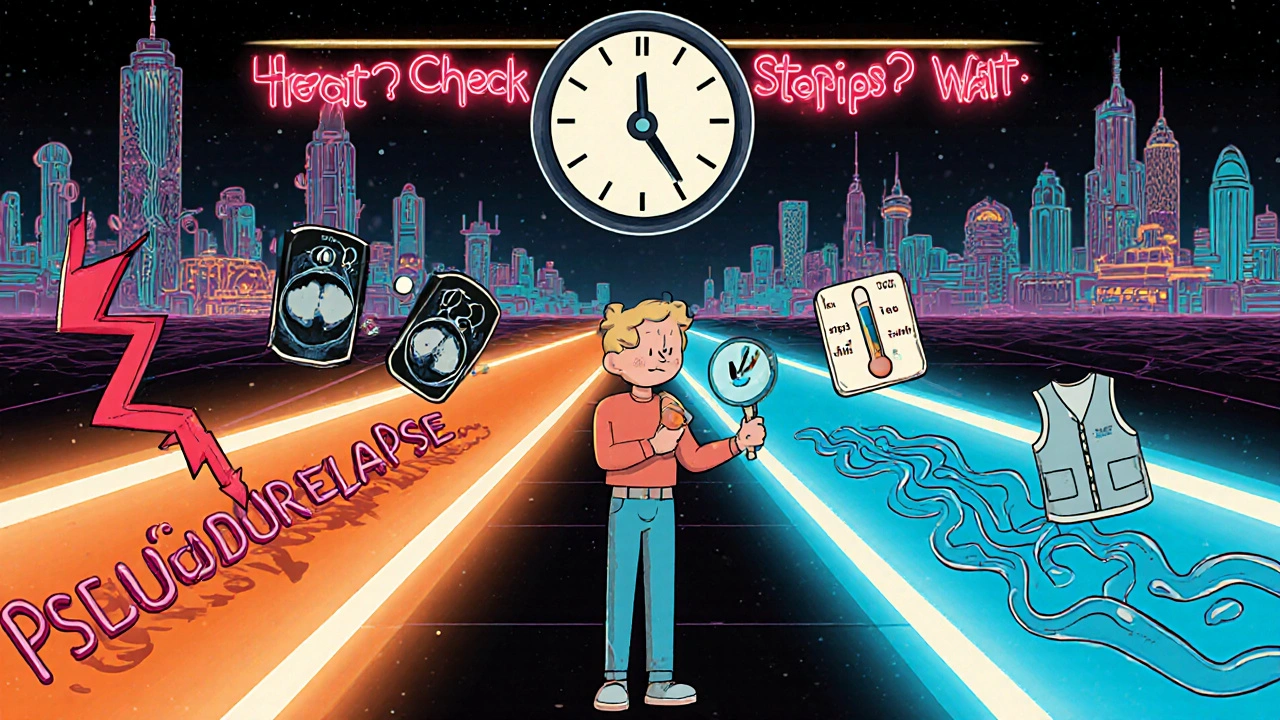
Learn how to tell the difference between a true MS relapse and a pseudorelapse, what triggers each, and why steroids aren't always the answer. Avoid unnecessary treatments and protect your health with smart, evidence-based steps.



©2026 rxmedicin.su. All rights reserved
9