
When you take rivaroxaban, a direct oral anticoagulant used to prevent blood clots in people with atrial fibrillation, deep vein thrombosis, or after hip or knee surgery. Also known as Xarelto, it works by blocking factor Xa, a key protein in the clotting process. Unlike older blood thinners like warfarin, it doesn’t need regular blood tests—but that doesn’t mean it’s risk-free. The biggest concern with rivaroxaban is bleeding. It doesn’t just stop dangerous clots; it also makes it harder for your body to stop bleeding when you cut yourself, fall, or have surgery. Studies show that about 1 in 20 people on rivaroxaban will have a major bleeding event over five years—sometimes in the brain, stomach, or intestines.
That risk goes up sharply when you combine rivaroxaban with other drugs. For example, taking it with SSRIs, a class of antidepressants that reduce platelet function increases bleeding risk by 33% in the first month, according to real-world data. The same goes for NSAIDs, like ibuprofen or naproxen, which irritate the stomach lining and thin blood. Even common aspirin can turn a minor bruise into a serious problem. And if you’re on multiple meds—say, for high blood pressure, diabetes, or depression—you’re not just adding pills. You’re adding layers of risk. Doctors don’t always catch these interactions because they focus on one condition at a time. But your body doesn’t work that way.
Some people are more vulnerable than others. Older adults, especially those over 75, have thinner blood vessels and weaker kidneys, which means rivaroxaban stays in their system longer. People with kidney disease, low body weight, or a history of ulcers or falls are also at higher risk. If you’ve ever had a stroke, a brain bleed, or a GI bleed before, rivaroxaban might not be the best choice—or you’ll need much closer monitoring.
You don’t need to avoid rivaroxaban entirely. For many, it’s safer and easier than warfarin. But safety isn’t about avoiding the drug—it’s about understanding how it works in your body and who you’re taking it with. That’s why tracking your meds, knowing your symptoms, and speaking up when something feels off matters more than ever. Below, you’ll find real stories and data from people who’ve lived with these risks, learned the warning signs, and found ways to protect themselves without giving up the benefits.
 4 December 2025
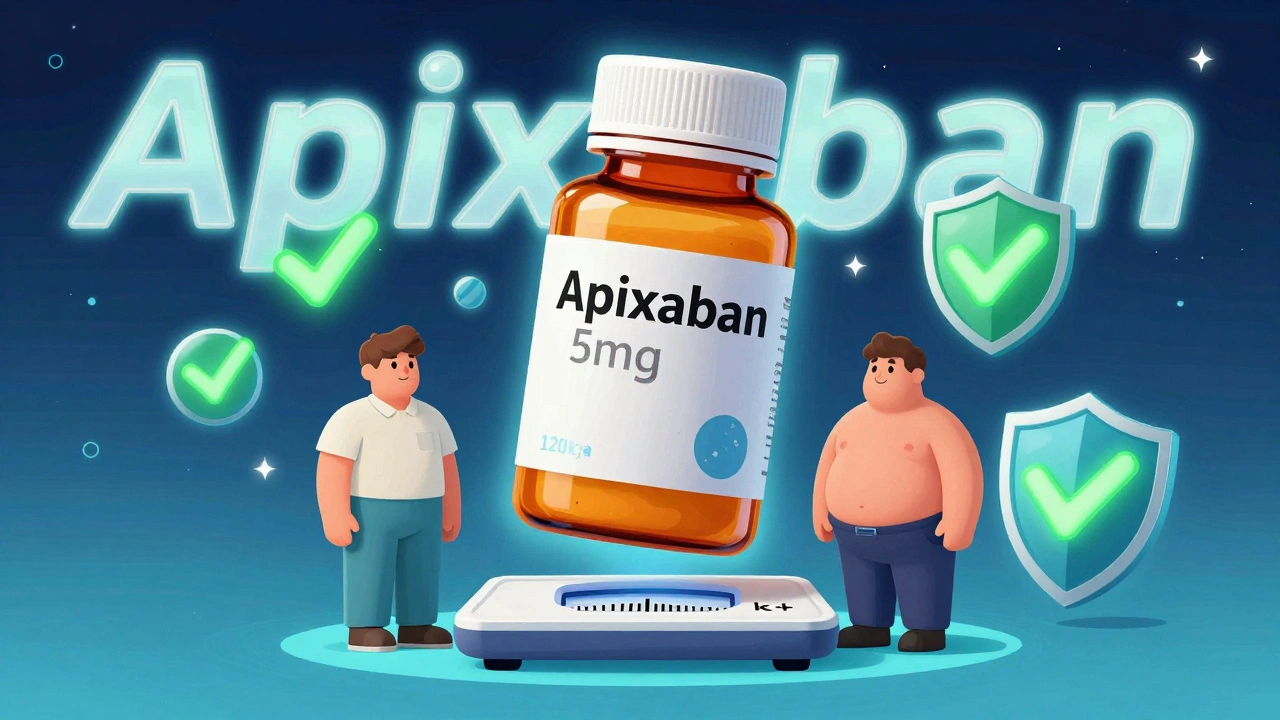
Learn how DOACs like apixaban, rivaroxaban, dabigatran, and edoxaban work in obese patients. Find out which ones are safe, which to avoid, and why standard doses still work-even for extreme obesity.



©2026 rxmedicin.su. All rights reserved
13