
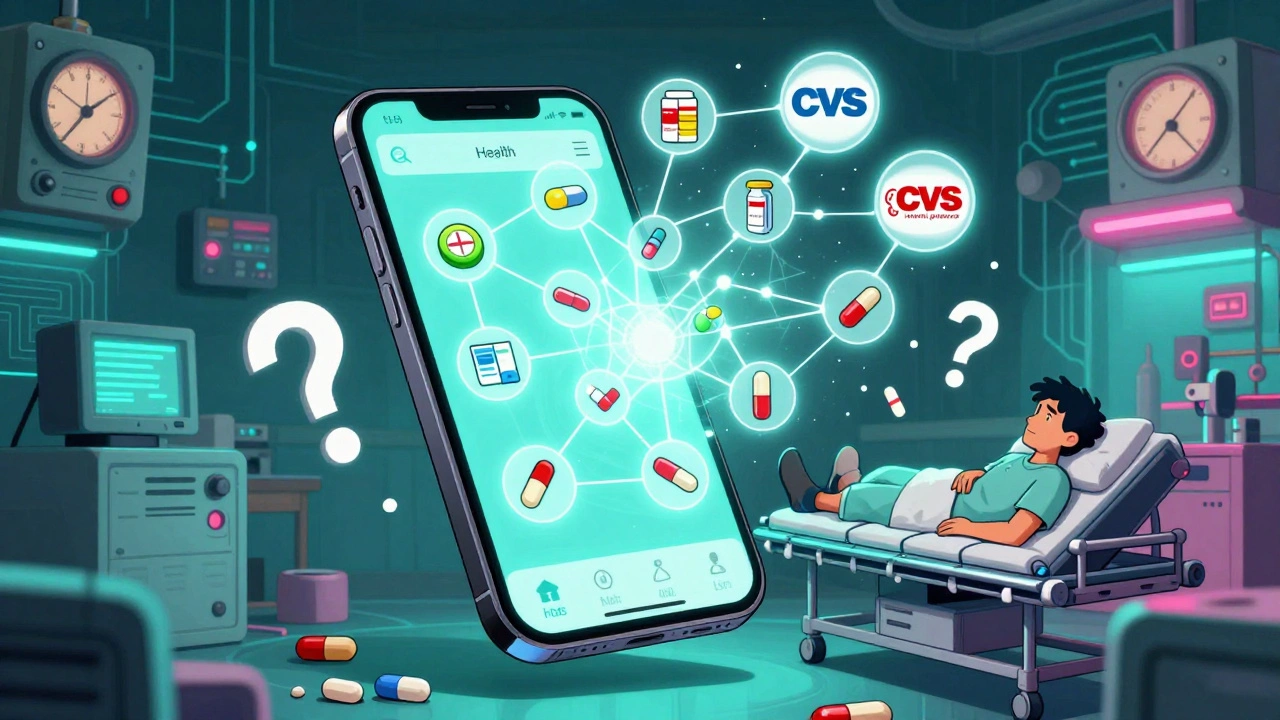
When you pick up a prescription, your pharmacy records, a digital log of all medications dispensed to you by a pharmacy, including dosages, dates, and prescribers. Also known as medication history, these records are the backbone of safe drug use—not just for doctors, but for you. Every time you fill a new script, whether it’s a generic blood pressure pill or a brand-name antidepressant, that information gets added to your file. It’s not just paperwork—it’s a safety net.
These records help prevent dangerous drug interactions, when two or more medications react in harmful ways, like increasing bleeding risk or causing seizures. For example, if you’re on an anticoagulant and your pharmacist sees you just picked up an SSRI, they can flag the 33% higher bleeding risk before you even leave the store. Pharmacy records also catch duplicate prescriptions, expired meds, and dosage errors. They’re especially vital if you see multiple doctors or use more than one pharmacy. Without them, your care becomes a guessing game.
Modern pharmacy systems don’t just store data—they connect. Many are linked to state prescription monitoring programs, electronic health records, and even insurance databases. That means if you switch pharmacies or move states, your history travels with you. But here’s the catch: you still need to stay involved. Your records are only as good as what’s in them. If you skip telling your pharmacist about an OTC supplement you’re taking—like St. John’s Wort or high-dose fish oil—that gap can cost you. And if you’ve ever switched from a brand drug to a generic and felt different? That’s why keeping a medication journal, a personal log of how you feel after each refill, including side effects and manufacturer changes matters. It gives you the data to talk back to the system.
Pharmacy records also play a role in fighting price gouging and supply issues. When the FDA pushes to speed up approvals for generic drugs, lower-cost versions of brand-name medications that must meet the same safety and effectiveness standards, those records help track which manufacturers are reliable and which ones cause unexpected side effects. If a batch of generic thyroid meds from a new supplier makes you jittery, your pharmacy logs it—and that feedback helps regulators act.
Whether you’re managing chronic pain, taking blood thinners, or just trying to avoid a bad reaction, your pharmacy records are your invisible health ally. They don’t replace your memory, but they back it up. And in a world where one wrong pill can land you in the ER, that’s not just convenient—it’s life-saving. Below, you’ll find real stories and practical guides on how to use these records to take control of your meds, spot hidden risks, and make sure nothing slips through the cracks.
 9 December 2025
Personal health records help you track all your medications across pharmacies, reducing dangerous errors. Learn how to build an accurate, complete list - and why it matters for your safety.
©2026 rxmedicin.su. All rights reserved
8