
When two or more drugs are taken together, they don’t just sit there—they pharmacodynamic interactions, the way drugs change each other’s effects at the site of action in the body. Also known as drug-drug interactions at the receptor level, these aren’t about how your body processes the drugs—they’re about what happens when those drugs meet inside your cells, nerves, or organs. This is where one drug might make another stronger, weaker, or even dangerous, even if your liver handles them just fine.
Think of it like traffic lights in your brain or heart. One drug might turn the light green for a receptor, letting in a flood of signals. Another might come in and slam the door shut—blocking the first drug’s effect entirely. That’s why antihistamines, like Benadryl, used for allergies can make restless legs syndrome, a condition where nerves misfire causing uncomfortable leg urges way worse. They block dopamine, which is exactly what your brain needs to calm those nerves. Or take gabapentin, a nerve pain drug often paired with other meds—it doesn’t just work on its own. When mixed with opioids or alcohol, it can slow your breathing to dangerous levels, even if each drug is fine alone.
These interactions don’t just happen with prescriptions. Over-the-counter painkillers, herbal supplements, and even grapefruit juice can flip the script. For example, someone taking azilsartan, a blood pressure pill for hypertension might not realize that a common antacid could reduce its absorption. Or a person using tretinoin, a skin treatment for acne and aging might stack it with harsh exfoliants and end up with a raw, irritated face—not because the product is bad, but because the combo overwhelms the skin’s defenses.
What you’ll find in these posts isn’t just a list of drugs. It’s a real-world look at how these hidden clashes play out. From how calcium carbonate, a common calcium supplement can interfere with thyroid meds, to why mixing atomoxetine, an ADHD drug with decongestants spikes blood pressure, these articles break down what actually happens inside your body. You’ll see how people misread labels, skip warnings, and end up with side effects they never expected. And you’ll learn how to spot the red flags before they become emergencies.
Whether you’re managing chronic pain, high blood pressure, sleep issues, or just taking a daily supplement, understanding pharmacodynamic interactions isn’t just smart—it’s life-saving. These aren’t abstract science terms. They’re the quiet, invisible forces shaping how your meds work—or fail to work—every single day. What follows is a collection of real stories, clear comparisons, and practical steps to help you take control of your meds, not the other way around.
 18 November 2025
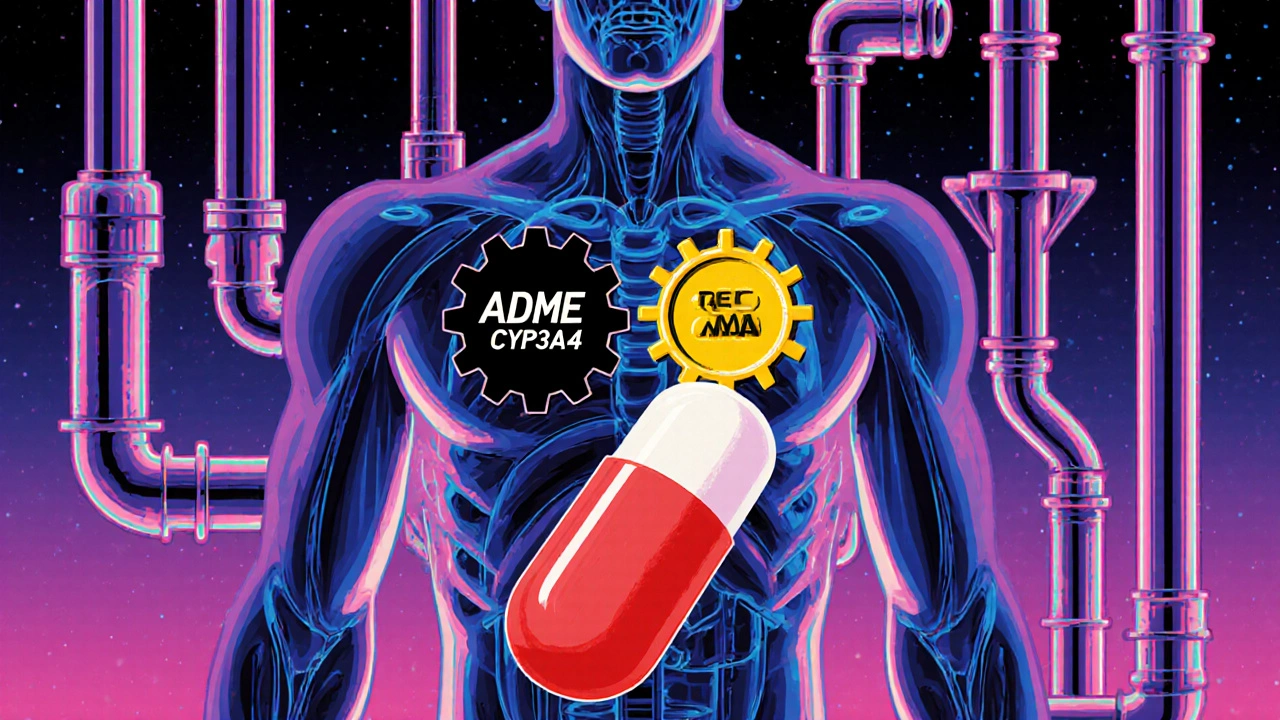
Learn how pharmacokinetic and pharmacodynamic drug interactions work, why they matter for safety, and what you can do to avoid dangerous side effects when taking multiple medications.




©2026 rxmedicin.su. All rights reserved
10