
When you have MS relapse, a sudden return or worsening of multiple sclerosis symptoms due to new inflammation in the central nervous system. Also known as an exacerbation, it’s not just feeling tired or stressed—it’s a biological event that changes how your body works. This isn’t a one-time thing for many people with relapsing-remitting MS, the most common form of multiple sclerosis, where periods of symptom flare-ups are followed by partial or full recovery. About 85% of people with MS start with this pattern, and each relapse can leave behind some damage if not treated quickly.
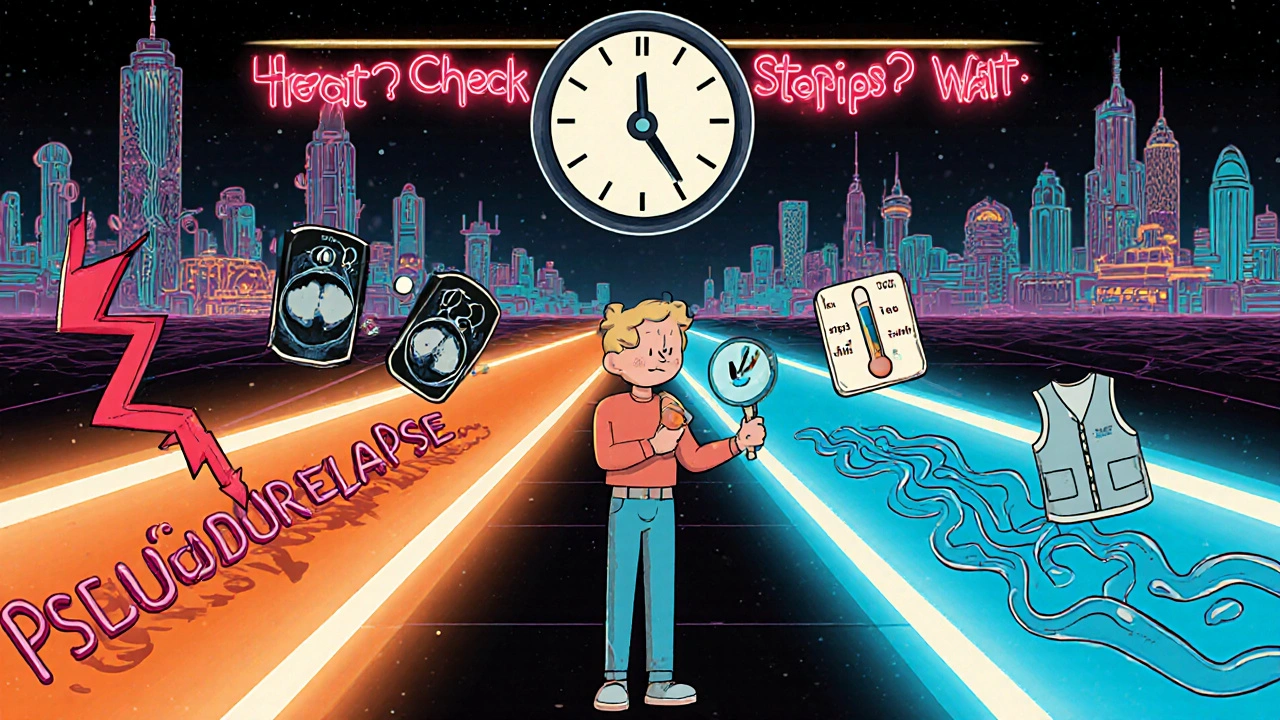
An MS relapse, a neurological event lasting at least 24 hours with no fever or infection present isn’t the same as a pseudo-relapse. If you’re overheated, sick, or exhausted, symptoms might get worse temporarily—but that’s not a true relapse. True relapses involve new lesions forming in the brain or spinal cord, which doctors can see on an MRI. Common signs include sudden vision loss in one eye, numbness across one side of your body, weakness in a leg or arm, or trouble walking that comes out of nowhere. These aren’t random; they’re tied to where the inflammation hits your nerves.
Knowing the difference matters because treatment changes everything. If it’s a real relapse, your doctor might prescribe high-dose steroids to calm the inflammation fast. If it’s just a pseudo-relapse, rest and cooling down might be all you need. And if you’re on a disease-modifying therapy, a long-term medication designed to reduce the frequency and severity of MS relapses, tracking your relapses helps your team decide if it’s working—or if you need to switch.
People often wait too long to report symptoms, thinking they’ll go away on their own. But early action can limit lasting damage. A relapse that lasts more than 48 hours without improvement should be checked. Some people notice subtle changes first—like tingling in their fingers that won’t fade, or a foot dragging when they walk. These aren’t "just stress." They’re signals.
What triggers a relapse? No single cause, but infections like colds or UTIs are top culprits. Stress, heat, and skipping meds also play roles. That’s why keeping a symptom journal helps. Write down when things got worse, what you were doing, how long it lasted. That info is gold for your neurologist.
There’s no cure yet, but today’s tools make managing relapses far more predictable. You’re not powerless. The right treatment plan, early detection, and smart lifestyle choices can cut the number of relapses in half over time. What you find below are real stories and practical guides—on how to recognize early signs, what treatments actually work, how to talk to your doctor about side effects, and what to do when symptoms don’t go away after steroids. This isn’t theory. It’s what people with MS are using right now to stay in control.
 24 November 2025
Learn how to tell the difference between a true MS relapse and a pseudorelapse, what triggers each, and why steroids aren't always the answer. Avoid unnecessary treatments and protect your health with smart, evidence-based steps.



©2026 rxmedicin.su. All rights reserved
9