
When doctors ask for your medication history, a complete record of all prescription drugs, over-the-counter medicines, and supplements you’ve taken, including doses and dates. Also known as drug history, it’s not just paperwork—it’s your personal health roadmap. Many people think it’s enough to remember their current prescriptions, but medication history includes everything—even that one-time antibiotic from three years ago, or the herbal tea you took for sleep last winter. Missing details can lead to dangerous mistakes, like combining blood thinners with new antidepressants or missing a drug interaction that could send you to the ER.
Your medication history, a complete record of all prescription drugs, over-the-counter medicines, and supplements you’ve taken, including doses and dates. Also known as drug history, it’s not just paperwork—it’s your personal health roadmap. ties directly to drug interactions, when two or more medications affect each other’s behavior in your body, potentially causing side effects or reducing effectiveness. For example, mixing SSRIs with blood thinners raises bleeding risk by 33%—a fact your doctor can’t know unless your history is accurate. It also connects to generic substitution, when a pharmacy switches your brand-name drug for a cheaper generic version, which may work differently for some people due to inactive ingredients or manufacturing changes. People switching to generics for thyroid meds or seizure drugs often notice subtle changes in how they feel—changes that only show up if you’ve been tracking your response.
And then there’s adverse drug reactions, unexpected, harmful effects from medications that aren’t listed as common side effects. These can be rare, delayed, or mistaken for other conditions. One person’s sudden mood swings might be labeled as stress—until their medication history reveals they started steroids two weeks earlier. Your history is the only tool that can connect those dots. Even if you think you’re just taking "a little" of something, or stopped a drug months ago, it still matters. Some medications linger in your system or trigger long-term changes in how your body processes other drugs.
Keeping a simple log—what you took, when, how you felt, and any side effects—doesn’t take much time. It’s not about perfection. It’s about catching the patterns that save lives. That’s why the posts here cover everything from using a medication journal, a personal log to track how generic drugs affect your body over time to knowing when to report a rare reaction to health authorities. You’ll find real advice on how to handle insurance denials for generics, why some people react differently to the same pill, and how to avoid hospitalization from unnoticed interactions. This isn’t theory. These are stories from people who learned the hard way that their medication history isn’t just a form to fill out—it’s their best defense against harm.
 9 December 2025
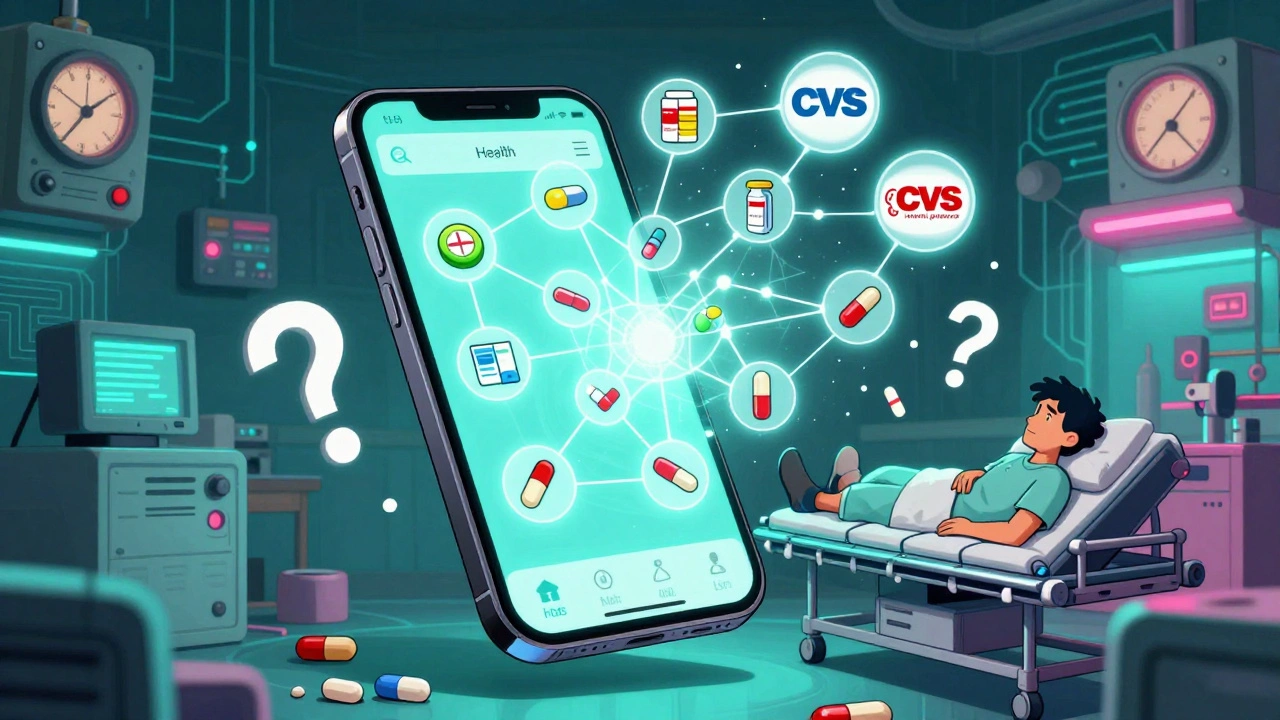
Personal health records help you track all your medications across pharmacies, reducing dangerous errors. Learn how to build an accurate, complete list - and why it matters for your safety.



©2026 rxmedicin.su. All rights reserved
8