
When you hear antitrust, laws designed to prevent companies from monopolizing markets and stifling competition. Also known as competition law, it's what keeps one company from controlling every version of a drug and charging whatever it wants. In the pharmaceutical world, antitrust isn’t just about big corporations fighting each other—it’s about whether you can get a cheap generic version of your medicine or if you’re stuck paying hundreds for the brand name.
Big drugmakers sometimes use sneaky tactics to delay generics. They pay generic companies to wait before selling their cheaper version—called pay-for-delay, a practice where brand-name companies pay generic manufacturers to postpone market entry. Or they change the drug’s form just enough to get a new patent, locking out competitors. These moves hurt patients and pharmacies. That’s where generic drugs, medications that are chemically identical to brand-name drugs but cost far less come in. Antitrust enforcement tries to keep these affordable options flowing. Without it, authorized generics—same drug, no branding, lower price—might never reach the shelf.
You’ll find posts here that show how these rules play out in real life. One explains why authorized generics cost less—no marketing, no fancy packaging, just the medicine. Another walks you through how to fight your insurance when they deny a generic. There’s even a guide on how to track side effects when switching to a new generic manufacturer, because small differences matter. These aren’t theoretical debates. They’re daily struggles for people managing chronic conditions, seniors on fixed incomes, and families paying for prescriptions out of pocket.
Antitrust doesn’t just affect prices. It shapes who gets treated, how fast, and at what cost. When a company blocks a biosimilar or manipulates supply chains to create artificial shortages, it’s not just business—it’s a health issue. The posts below dig into the real-world impact: how drug pricing tricks work, how regulators try to stop them, and how you can use the system to save money. Whether you’re switching to a generic, fighting a denial, or just wondering why your pill costs more this month, the answers start with understanding antitrust.
 3 December 2025
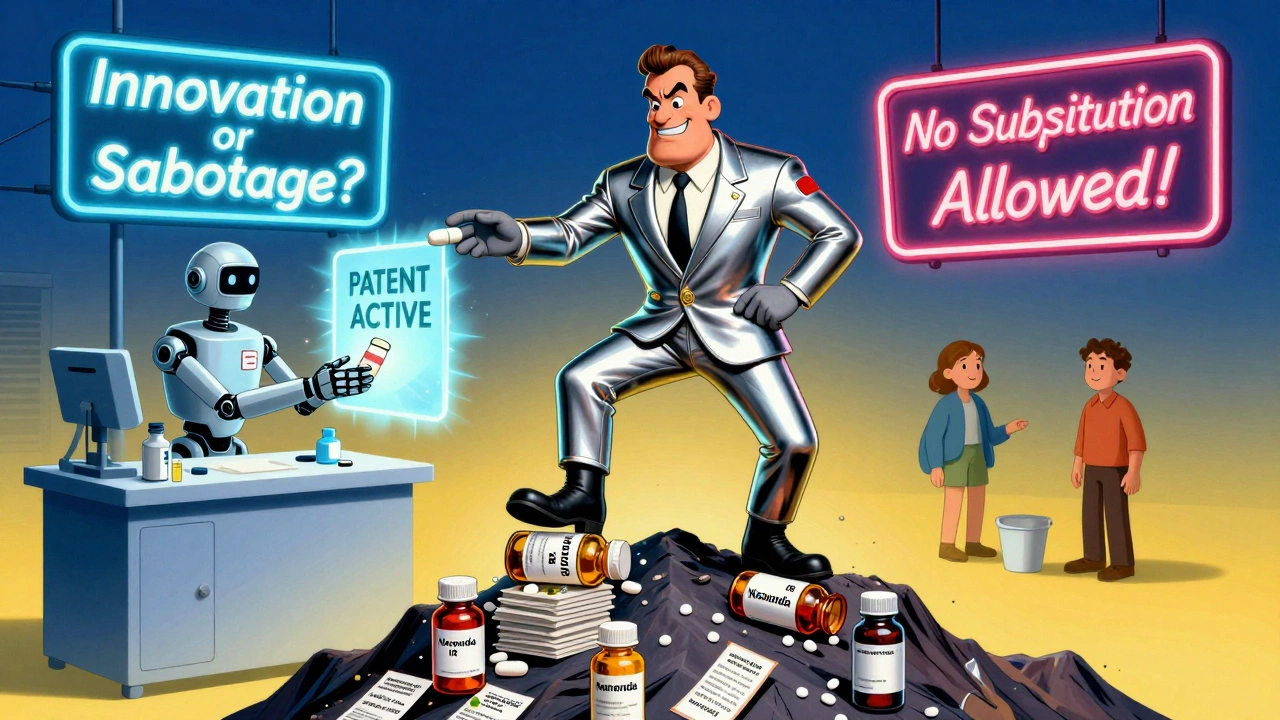
Big pharma is using legal loopholes to block cheaper generic drugs by pulling older versions off the market. Learn how product hopping, REMS abuse, and court rulings are affecting drug prices and what’s being done to stop it.
©2026 rxmedicin.su. All rights reserved





11