
When you take a medicine, you expect it to help—not hurt. But sometimes, even perfectly prescribed drugs cause unexpected harm. This is called an adverse drug reaction, an unintended and harmful response to a medication at normal doses. Also known as drug side effect, it’s not always about taking too much—it’s about your body reacting in ways no one predicted. These reactions aren’t rare. One in five people on multiple medications will experience one. Some are just a rash or upset stomach. Others? They land people in the hospital.
Not all adverse drug reactions are the same. Some happen because your liver can’t break down the drug fast enough. Others happen when two meds clash—like SSRIs, a common class of antidepressants mixing with blood thinners and raising bleeding risk by 33%. Then there are reactions tied to your genes, your age, or even what you eat. For older adults on diuretics, dehydration can turn a normal dose into a kidney injury. For people with allergies, even a tiny amount of a drug like azilsartan, a blood pressure medication can trigger a serious response. And sometimes, it’s not the drug itself—it’s the filler, the dye, or the manufacturer’s change in the generic version.
What makes this even trickier is that many people don’t realize what they’re feeling is drug-related. Fatigue? "I’m just getting older." Mood swings? "Stress." A strange rash? "Must be the laundry detergent." But if you started a new pill and something changed—especially within days or weeks—it’s worth paying attention. That’s why keeping a medication journal, a simple log of what you take, when, and how you feel matters. It turns vague symptoms into clear patterns. And when you spot something odd, reporting it isn’t just helpful—it’s critical. Every report you file with MedWatch helps regulators catch dangerous patterns before more people get hurt.
What you’ll find below isn’t just a list of articles. It’s a practical toolkit. You’ll learn how to tell the difference between a harmless side effect and a real emergency. You’ll see how generic drugs—often cheaper and just as effective—can still cause unexpected reactions. You’ll find out why some people react badly to certain meds while others don’t. And you’ll see real examples of how patients and doctors have spotted, reported, and managed these reactions before they turned serious. This isn’t theory. It’s what happens when people pay attention—and act on it.
 5 December 2025
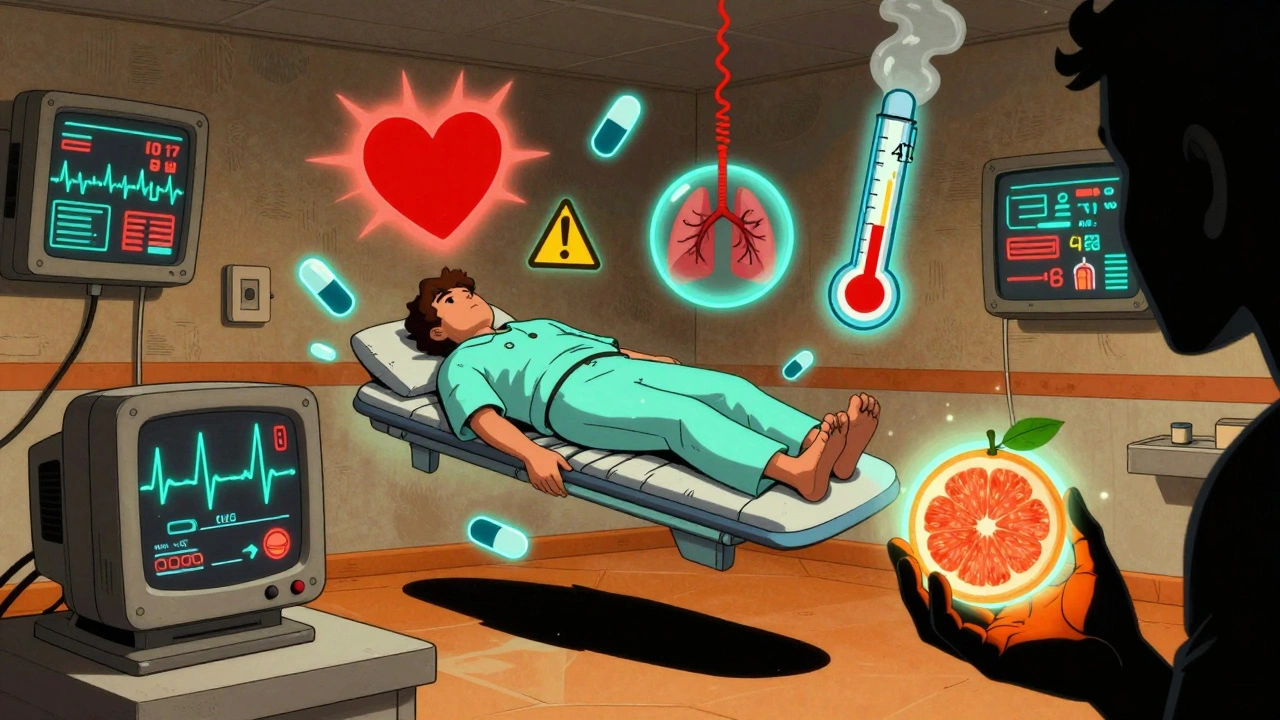
Learn when to seek emergency help for drug interactions - from life-threatening symptoms like seizures and breathing trouble to warning signs that need urgent medical attention within 24 hours.



©2026 rxmedicin.su. All rights reserved
13