For many seniors, managing diabetes feels like a balancing act. On one hand, you want to keep blood sugar levels under control to avoid long-term complications. On the other, pushing those numbers too low can lead to a dangerous drop in blood glucose, known as hypoglycemia is a condition where blood glucose levels fall below 70 mg/dL, potentially causing dizziness, confusion, or loss of consciousness. While a "low" might be a nuisance for a 30-year-old, for someone over 65, it can be a catastrophe, leading to falls, head injuries, or even heart issues.
The reality is that our bodies change as we age. Our kidneys don't clear medication as quickly, and our natural warning signs-like a racing heart-might not trigger as easily. This means a dose of medication that worked perfectly ten years ago might now be too aggressive. The goal for seniors is shifting away from "perfect" numbers and toward "safe" numbers.
Key Takeaways for Senior Diabetes Safety
- Prioritize safety over strict control: Avoiding lows is now considered more important than hitting a very low HbA1c.
- Identify high-risk drugs: Certain older medications, like glyburide, are now widely discouraged for seniors.
- Adjust your targets: Healthy seniors may aim for an HbA1c of 7-7.5%, while frail adults may be safer at 8.5%.
- Watch for "silent" lows: Be aware that some medications can mask the symptoms of a blood sugar drop.
Why Seniors Are More Prone to Low Blood Sugar
It isn't just about the medication; it's about how the aging body handles it. The American Diabetes Association has noted that seniors experience hypoglycemia at rates two to three times higher than younger adults. A major culprit is reduced renal clearance. Since the kidneys process many diabetes drugs, slower function means the medication stays in the system longer, effectively increasing the dose and pushing blood sugar lower than intended.
There is also the issue of "hypoglycemia unawareness." Younger people usually feel a surge of adrenaline-shaking, sweating, and a fast heartbeat-when sugar drops. In seniors, these counter-regulatory hormone responses are often diminished. You might not feel the "warning" until you are already confused or dizzy, which is exactly when a fall happens. In fact, research shows that a single severe episode where a senior needs help to recover can increase the one-year mortality risk by 60%.
Breaking Down Medication Risks: The Good, the Bad, and the Dangerous
Not all diabetes drugs are created equal. Some essentially "force" the pancreas to release insulin regardless of current blood sugar levels, while others only work when sugar is actually present. This distinction is the difference between a safe night's sleep and an emergency room visit.
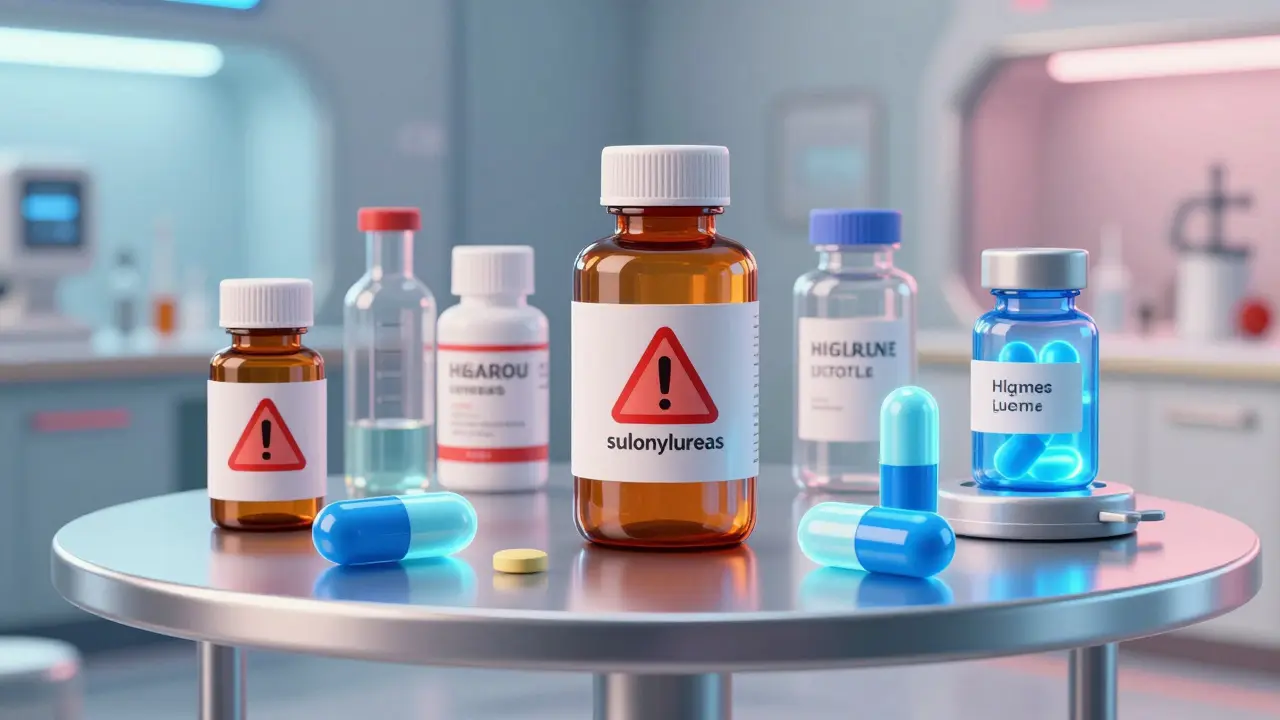
Sulfonylureas are the primary concern. These oral medications, which include brands like Glucotrol and Diabeta, carry the highest risk of lows. Specifically, glyburide (known as Glynase) is often cited as a medication to avoid. Because it has a long half-life and relies heavily on the kidneys, it can cause prolonged, dangerous hypoglycemia. The Beers Criteria, a gold-standard list of potentially inappropriate medications for older adults, explicitly flags glyburide as a high-risk drug.
Insulin is vital for many, but it also requires a cautious approach. It is linked to a 30% increase in fall risk for seniors due to the dizziness associated with sudden drops. On the other hand, newer classes of drugs are far gentler. DPP-4 inhibitors (like Januvia or Tradjenta) and SGLT2 inhibitors (such as Jardiance) rarely cause hypoglycemia when used alone because they don't force insulin release; they either help the body use its own insulin better or help the kidneys flush out excess sugar.
| Medication Class | Hypoglycemia Risk | Key Example | Primary Concern for Seniors |
|---|---|---|---|
| Sulfonylureas (Long-acting) | Very High | Glyburide | Long half-life, renal buildup, severe drops |
| Insulin | High | Glargine / Aspart | Dizziness, high fall risk, dosing errors |
| Biguanides | Low | Metformin | Lactic acidosis risk if kidney function is very low |
| DPP-4 Inhibitors | Very Low | Sitagliptin | Generally safe as monotherapy |
| SGLT2 Inhibitors | Low | Empagliflozin | Dehydration/UTIs, but low sugar-drop risk |
The Hidden Danger of Polypharmacy
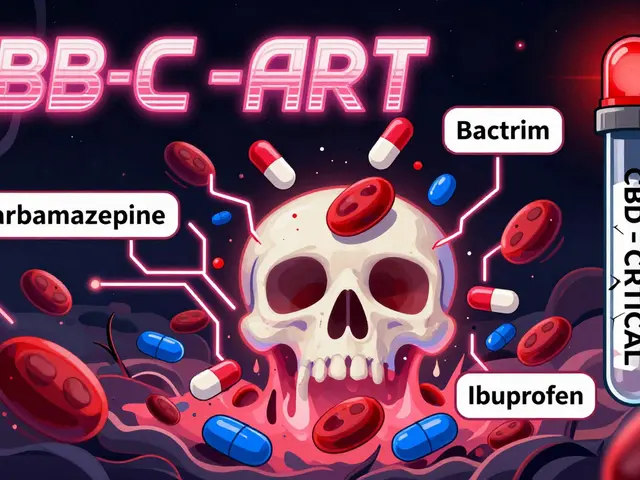
Most seniors aren't just taking one pill for diabetes. They might be managing high blood pressure, cholesterol, or arthritis simultaneously. This "polypharmacy"-the use of multiple medications-creates a dangerous cocktail of interactions. For instance, beta-blockers, commonly used for heart conditions, can mask the tachycardia (fast heartbeat) that normally warns you of a blood sugar drop. You might be plummeting into a hypoglycemic state and not feel the typical alarm bells.
Similarly, certain NSAIDs (pain relievers) can actually boost the effects of sulfonylureas, making your blood sugar drop even lower than expected. This is why a comprehensive medication review every three to six months is non-negotiable. A pharmacist or doctor using tools like the STOPP/START criteria can identify which drugs are no longer serving you and should be "deprescribed" to reduce the risk of hospital visits.

Practical Strategies for Prevention
Preventing lows isn't just about changing your pills; it's about updating your daily routine. One of the most effective tools available today is Continuous Glucose Monitoring (CGM). Unlike the traditional finger-stick method, which only gives you a snapshot in time, a CGM provides a real-time stream of data and can alert you (and your caregiver) before your sugar hits the danger zone. Research indicates that seniors using CGMs experience 65% fewer hypoglycemia events.
Education is equally vital. Caregivers and patients should look for the "subtle" signs of a drop. It's not always shaking and sweating; sometimes it looks like:
- Unexpected irritability or confusion (which can be mistaken for dementia)
- Drowsiness or sudden weakness
- A persistent headache
- Increased hunger or a fast heartbeat
If you or a loved one experience these, have a fast-acting glucose source ready-like glucose tabs or a small amount of fruit juice-and always notify the healthcare provider to see if a dose adjustment is needed.
Looking Ahead: The Future of Senior Diabetes Care
The medical community is moving toward a more personalized, functional approach. Instead of chasing a generic HbA1c number, doctors are now looking at a patient's cognitive ability, physical frailty, and fall history. New medications like tirzepatide are showing incredibly low rates of hypoglycemia in elderly trials, offering a safer alternative to high-dose insulin.
Even more exciting are the "smart" insulin formulations currently in clinical trials. These are designed to activate only when blood glucose levels are actually high, which could potentially eliminate the risk of accidental lows entirely. Until then, the safest path is a combination of the right medication choice, regular monitoring, and a willingness to prioritize stability over strict numbers.
Why is glyburide considered dangerous for seniors?
Glyburide has a long half-life and is primarily cleared by the kidneys. Since kidney function naturally declines with age, the drug can build up in the system, causing severe and prolonged hypoglycemia that is much harder to treat than a short-term drop.
What is a safe HbA1c target for an older adult?
Targets are now individualized. Healthy seniors with few other health issues may aim for 7.0% to 7.5%. Those with moderate health issues typically target 7.5% to 8.0%, and frail seniors or those with significant comorbidities may have a safer target of up to 8.5% to avoid dangerous lows.
Can beta-blockers affect how I feel during a blood sugar drop?
Yes. Beta-blockers can mask the heart's rapid beating (tachycardia), which is one of the primary warning signs of hypoglycemia. This can lead to "unawareness," where the person doesn't realize their sugar is low until they become confused or lose consciousness.
What are the safest diabetes medications for the elderly?
Generally, DPP-4 inhibitors (like sitagliptin) and SGLT2 inhibitors (like empagliflozin) carry a very low risk of hypoglycemia when used as a single therapy. Metformin is also considered safe, provided the patient's kidney function (creatinine clearance) is monitored.
How does Continuous Glucose Monitoring (CGM) help seniors?
CGMs provide real-time tracking and alerts, which is crucial for seniors who may not feel the physical symptoms of a low. This allows patients and caregivers to intervene with a snack or glucose tab before the blood sugar reaches a dangerous level, reducing severe events by up to 65%.