
Buying medicine online sounds convenient-until you realize you might be ordering from a fake pharmacy that could give you pills with no active ingredient, the wrong dosage, or even toxic chemicals. Every year, thousands of people end up sick, hospitalized, or worse because they trusted a website that looked real but wasn’t. The truth? Most online pharmacies aren’t safe. And the ones that are? They’re hard to find. Here’s what to look for-and what to run from.
What Makes an Online Pharmacy Legit?
A legitimate online pharmacy doesn’t just look professional. It follows strict rules. In the U.S., it must be accredited by the Verified Internet Pharmacy Practice Sites (VIPPS) program, run by the National Association of Boards of Pharmacy (NABP). In the UK, it must be listed on the General Pharmaceutical Council (GPhC) register. In the EU, it must show the official EU common logo that links to its license.Legit pharmacies do three things every time:
- Require a valid prescription from a licensed doctor before selling prescription drugs
- Have a licensed pharmacist available to answer questions (not just a chatbot)
- Provide a physical address and phone number in the country where they’re licensed
For example, if you’re in New Zealand and order from a pharmacy claiming to be based in the U.S., they must have a real U.S. address and a U.S.-licensed pharmacist. No exceptions. No "international shipping" loopholes.
According to a 2023 study in the Journal of Medical Internet Research, only 41% of the 116 online pharmacies analyzed were verified as legitimate by regulatory bodies. That means more than half were operating illegally.
Red Flags That Mean You’re Dealing With a Rogue Pharmacy
Rogue pharmacies don’t care about your safety. They care about your money. And they’re getting better at faking legitimacy. Here’s what to watch for:- No prescription required - If you can buy antibiotics, insulin, or Viagra without a prescription, walk away. That’s illegal everywhere. A 2023 NIH study found 98.2% of rogue pharmacies didn’t require prescriptions for prescription-only medicines.
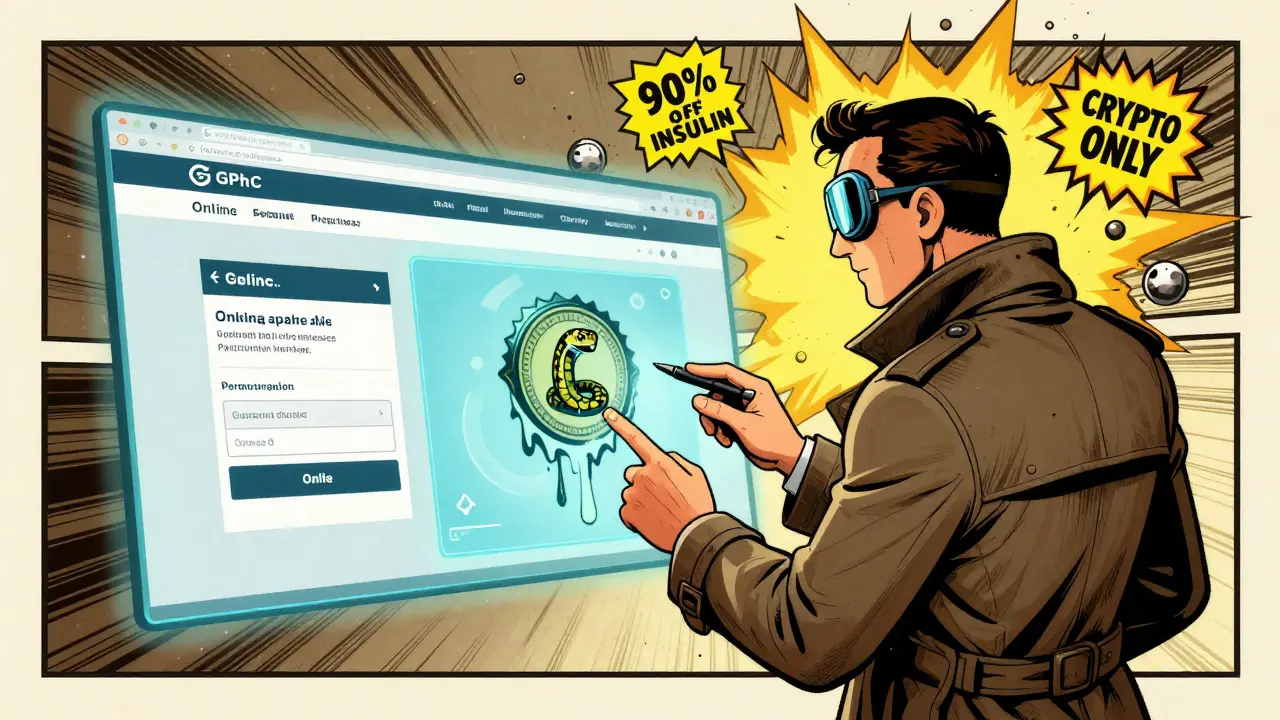
- Prices that are too good to be true - A 30-day supply of Lipitor for $5? That’s not a deal. That’s a trap. Legit pharmacies don’t sell branded drugs at 90% off. The cost of manufacturing, shipping, and compliance doesn’t allow it. A 2021 Reginfo.gov report found 76.4% of rogue sites used ultra-low pricing as bait.
- No verifiable contact info - If the website only has a contact form, no phone number, and an address that doesn’t show up on Google Maps, it’s fake. The same study found 89% of rogue pharmacies didn’t provide real contact details.
- Spam emails or pop-up ads - Legit pharmacies don’t spam you. If you got an email saying "Your prescription is ready!" out of nowhere, it’s a scam. 68.9% of rogue operations use unsolicited emails to lure people in.
- Website hosted in a high-risk country - Most rogue pharmacies operate from Eastern Europe, Southeast Asia, or offshore locations with weak oversight. IP address analysis by Reginfo.gov showed 67.7% of fake pharmacies listed a physical location that didn’t match their server location.
- Fake accreditation seals - This one’s sneaky. Rogue sites often copy the VIPPS or LegitScript logos and paste them on their homepage. But clicking those links? They don’t lead to real verification pages. A 2023 study found 41.8% of rogue pharmacies used counterfeit seals.
- Accepts only cryptocurrency or wire transfers - Legit pharmacies use standard payment methods: credit cards, PayPal, or direct bank transfers. If they only take Bitcoin or Western Union, they’re hiding something.
How to Check If a Pharmacy Is Real (Step by Step)
Don’t guess. Verify. Here’s how:- Look for the VIPPS logo (U.S.) or GPhC registration (UK) - Click on it. Does it take you to the official NABP or GPhC website? If it goes to a random blog or a page with broken links, it’s fake.
- Search the pharmacy’s name on the regulator’s official site - In the U.S., go to nabp.net and use the VIPPS search tool. In the UK, go to the gphc.gov.uk register and type in the pharmacy’s name. If it’s not there, it’s not legal.
- Check the physical address - Paste the address into Google Maps. Does it show a real building? Or just a PO box, warehouse, or residential home? Legit pharmacies have professional storefronts or offices.
- Call the phone number - If it rings to an answering machine with no name, or goes to a voicemail outside business hours, be suspicious. Legit pharmacies have live pharmacists available during work hours.
- Check the domain - Does the website use .pharmacy? That’s a restricted domain only given to verified pharmacies. If it’s .com, .net, or worse, .xyz, that’s a red flag.
- Google the pharmacy’s name + "scam" - If other people are reporting fake pills, no delivery, or stolen credit cards, don’t risk it.
Why This Matters More Than You Think
It’s not just about wasting money. Rogue pharmacies sell dangerous products. The FDA has documented cases where people took pills that contained:- Paint thinner instead of sildenafil (Viagra)
- Insulin with no active ingredient
- Antibiotics laced with rat poison
- High-dose fentanyl in fake painkillers
In 2022, during a global shortage of infant formula, 62% of rogue pharmacy sites sold unauthorized or counterfeit products. People were desperate. Scammers were ready.
And it’s getting worse. As of 2022, LegitScript estimated there were over 35,000 rogue online pharmacy websites operating globally. Many of them shut down and reopen under new names every few years. One study found 1 in 5 rogue pharmacies came back after being taken down.
What About "Legit" Pharmacies That Skip Prescriptions?
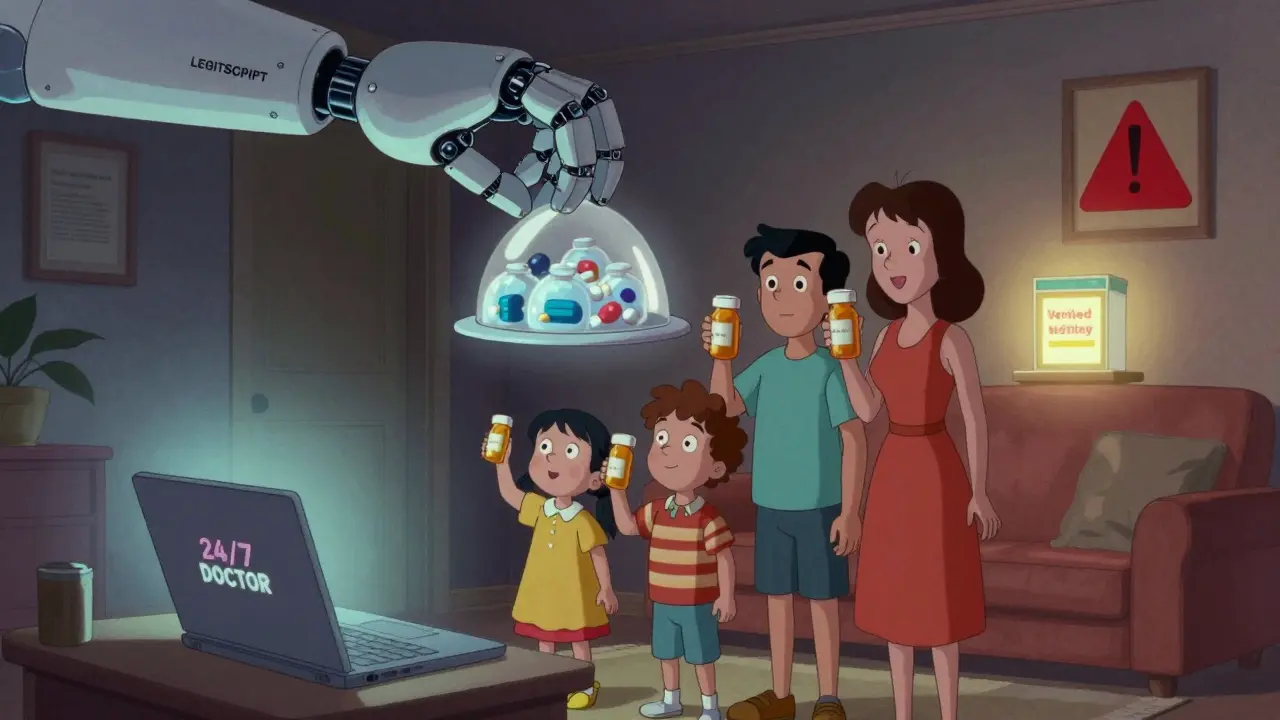
Here’s the uncomfortable truth: some websites that claim to be legit still cut corners. The NIH study found that even some accredited pharmacies began offering online consultations without requiring a prescription during the pandemic. That’s not a loophole-it’s a failure of oversight.If a site says "Get your prescription in 5 minutes" with no doctor review, it’s not a pharmacy. It’s a prescription mill. Real doctors don’t diagnose over a 10-question form. If you’re being sold controlled substances like Adderall or Xanax without a full medical history, you’re being exploited.
What Should You Do If You’ve Already Bought From a Rogue Pharmacy?
Stop using the medication. Don’t flush it. Don’t throw it away. Contact your local poison control center or public health department. In New Zealand, call Healthline at 0800 611 116. They can help you identify what you took and what risks you face.Also report the site:
- In the U.S.: Report to the FDA at fda.gov/safety/report-problem
- In the UK: Report to the GPhC at gphc.gov.uk
- In New Zealand: Report to the Ministry of Health
One report won’t shut down a rogue site-but hundreds can.
Bottom Line: When in Doubt, Don’t Buy
The convenience of buying medicine online is real. But so is the risk. If you can’t verify the pharmacy with a regulator’s official site, don’t order. If the price is too low, the deal is too good, or the website feels "off," walk away.Legit pharmacies exist. But they’re quiet. They don’t run ads on Instagram. They don’t email you at 2 a.m. They don’t offer "discounts" on controlled substances. If a pharmacy is shouting at you to buy now, it’s not there to help you. It’s there to take your money-and maybe your health.
Can I trust online pharmacies that ship internationally?
No. If a pharmacy ships worldwide, especially to countries with lax drug laws, it’s almost certainly not licensed in your country. Legitimate pharmacies only ship within the countries where they’re regulated. A pharmacy based in India shipping to New Zealand without a New Zealand license is breaking the law-and putting you at risk.
Are there any safe online pharmacies in New Zealand?
Yes, but they’re rare. The only safe option is to use a New Zealand-registered pharmacy that has a physical storefront and is listed on the Ministry of Health’s pharmacy register. Even then, avoid pharmacies that offer to sell prescription drugs without a valid prescription, even if they’re based locally.
Why do search engines show fake pharmacies at the top?
Search engines prioritize traffic, not safety. Rogue pharmacies spend heavily on ads, SEO, and fake reviews to rank higher. Legit pharmacies don’t pay for clicks-they rely on trust and regulation. That’s why you often see dangerous sites on page one, while verified ones hide on page three or four.
Can I get sick from buying medicine online?
Absolutely. The FDA has recorded cases of people suffering strokes, organ failure, and death after taking counterfeit drugs from rogue pharmacies. Fake pills can contain toxic chemicals, wrong dosages, or no active ingredient at all. What you think is a savings could cost you your life.
What’s the difference between "unverified" and "rogue" pharmacies?
An unverified pharmacy may be following the rules but hasn’t gone through formal accreditation. A rogue pharmacy is breaking the law-selling without prescriptions, using fake seals, or shipping illegal drugs. Unverified isn’t safe, but rogue is dangerous.


Jonathan Ruth
February 16, 2026 AT 23:35Let me get this straight - you’re telling me some guy in India is selling my insulin for $5 and I’m supposed to trust it because the website looks "professional"? LOL. I’ve seen these scams before. They use fake VIPPS logos that look 100% legit until you click and it’s just a redirect to a .xyz domain. And don’t even get me started on the "pharmacist on call" - it’s a bot that says "Thank you for your inquiry" in 3 languages. This isn’t healthcare. It’s a casino with pills.
Philip Blankenship
February 18, 2026 AT 07:07I mean, I get the fear, but honestly? I’ve bought from a few international pharmacies over the years and never had an issue. I get my blood pressure meds from Canada for like 1/3 the price. Yeah, maybe they don’t have a US license, but they’ve got a real pharmacy, real pharmacists, and real customer service. The FDA doesn’t regulate everything - and sometimes, the system’s just broken. I’m not saying go wild, but don’t let fear scare you out of saving money on meds that could literally keep you alive.
PRITAM BIJAPUR
February 20, 2026 AT 04:46The real tragedy here isn’t just the fake pills - it’s the systemic failure that forces people to turn to rogue pharmacies in the first place. 🌍 Why is insulin so expensive in the US that someone has to risk their life to buy it cheaper online? The system is rigged. We preach safety, but we don’t fix access. A person shouldn’t have to choose between bankruptcy and a counterfeit pill. We need policy change, not just warnings. And yes - I’m using a smiley because this is heartbreaking, not funny. 💔
Dennis Santarinala
February 21, 2026 AT 03:37I just want to say - thank you for writing this. Seriously. I was about to order some Adderall from a site that looked so slick, I almost fell for it. Then I saw the "24/7 pharmacist" link - and it went to a TikTok page. 😅 I’m so glad I checked. I called my doctor and got a real script. It cost more, but I slept better. Also - the part about crypto payments? Yikes. I didn’t even think of that. You’re right. If they won’t take Visa, they’re not your friend. Thank you again. 🙏
Tony Shuman
February 22, 2026 AT 07:21Let’s be real - the FDA and NABP are part of the problem. They sit on their hands while Big Pharma keeps prices high. Then they act like saints when they "accidentally" catch a pharmacy selling 500mg of morphine for $10. Meanwhile, real patients are suffering. This isn’t about safety - it’s about control. The government wants you to buy from their overpriced partners. Don’t be fooled. If you can get your meds cheaper and they work? Who cares if they’re not on some bureaucratic list?
Haley DeWitt
February 22, 2026 AT 17:46I just wanted to add - I work in pharmacy tech, and I’ve seen what happens when people buy from these sites. One woman came in with a rash from a "Viagra" that had paint thinner in it. Her husband had no idea. She was terrified. Please, please, please - don’t risk it. I know it’s expensive, but there are patient assistance programs. I’ve helped people get free meds. You’re not alone. And yes, I’m crying while typing this. 😭
John Haberstroh
February 23, 2026 AT 22:57The most chilling thing? The rogue pharmacies aren’t some shadowy syndicate - they’re just guys in basements with WordPress templates and a PayPal account. They don’t even know how the drugs are made. One site I dug into had a "pharmacist" whose LinkedIn profile said he was a "freelance graphic designer." The website? A Google Sites page. And yet, 12,000 people bought from them. It’s not malice - it’s stupidity. And stupidity sells. I mean, really? You’re trusting a .xyz domain with your life? We’ve got better tech than this.
James Lloyd
February 24, 2026 AT 10:37The step-by-step verification guide is gold. I’ve been teaching this to my elderly parents. I showed them how to click the VIPPS logo - and when it led to a 404 page, we knew. We also checked the address on Google Earth - turned out it was a warehouse with no windows. No pharmacist. No license. We reported it. One report might not shut them down, but if 100 of us do? That’s a domino effect. And yes - I called the phone number. It rang 17 times. No voicemail. Just silence. That’s the reddest flag of all.
Liam Earney
February 26, 2026 AT 07:24I just... I can’t believe how many people still think this is a victimless crime. You’re not just risking your life - you’re risking your family’s peace. My sister died because she bought "generic" heart medication from a site that looked like a hospital. The autopsy? The pills were filled with baking soda. And the website? It had a 5-star review from "Cindy from Ohio." Fake. All of it. I’ve spent years trying to warn people. You’re not paranoid if the world is actually dangerous. And yes - I’m crying again. I’m sorry. I just... I can’t unsee it.
Adam Short
February 27, 2026 AT 19:57I’m British, and I’ve seen this firsthand. The UK’s GPhC register is a joke. Half the pharmacies listed there are shell companies with PO boxes in Cardiff. And yet, people trust them because they "have the logo." Meanwhile, the NHS is so backed up that people turn to these sites out of desperation. The government’s not protecting us - it’s pretending to. And now we’ve got Chinese counterfeiters flooding the market with fentanyl-laced antidepressants. This isn’t a scam. It’s a public health emergency. And nobody’s doing anything.
Sam Pearlman
February 27, 2026 AT 22:54I’ve been to 3 different doctors and still can’t get my thyroid meds. So I bought them online. They worked. I’m alive. You want me to wait 6 months for a 15-minute telehealth call that costs $200? Nah. I’ll take my chances. You think I’m stupid? I’m not. I read the reviews. I checked the domain. I called the number. It was answered by a real person who spoke English. So yeah - I broke the rules. And I’m not sorry.