
Every pill, injection, or capsule that ends up on a pharmacy shelf didn’t just appear there by accident. It traveled through a complex, tightly regulated network - and if even one link in that chain breaks, patients could get something dangerous. Counterfeit drugs aren’t just a global problem; they’re a daily risk for pharmacies that cut corners. The truth is, legitimate drug procurement isn’t optional. It’s the line between saving lives and harming them.
What Makes Drug Sourcing Legitimate?
Legitimate drug procurement means buying medicines only from sources that follow the law, prove their credibility, and can track every package from manufacturer to patient. In the U.S., the backbone of this system is the Drug Supply Chain Security Act (DSCSA), passed in 2013 and fully enforced by November 2023. This law requires every pharmacy, wholesaler, and manufacturer to exchange electronic transaction data - including product details, lot numbers, and expiration dates - for every prescription drug moved through the supply chain.It’s not just about paperwork. If a pharmacy receives a shipment and can’t verify the product’s history using this electronic trail, it must quarantine the drugs immediately. In 2023, a hospital in Ohio had to throw out $87,000 worth of medication because a distributor’s system failed to send the required DSCSA data. That’s not an isolated case - 58% of health systems reported incomplete or missing transaction data from suppliers that year.
Legitimate sourcing also means verifying the supplier’s credentials. Every vendor must have:
- Current FDA registration
- Valid state pharmacy licenses
- Proof of compliance with current Good Manufacturing Practices (cGMP)
- Participation in the Verified-Accredited Wholesale Distributors (VAWD) program - required in 49 states
ASHP guidelines recommend checking at least three years of compliance history before signing a contract. No exceptions. No shortcuts.
How to Verify a Supplier Is Safe
You can’t trust a supplier just because they offer a low price. Counterfeiters are good at faking paperwork. Here’s how real pharmacies check for legitimacy:- Check FDA registration - Use the FDA’s online database to confirm the supplier’s facility is registered and in good standing.
- Verify state licenses - Contact the state board of pharmacy directly. Don’t rely on what the supplier sends you.
- Review recall history - Search the FDA’s recall database for any past issues with the supplier or their products.
- Require product tracing documents - Every shipment must come with a transaction information (TI), transaction history (TH), and transaction statement (TS) - all in electronic format.
- Scan barcodes on arrival - Use a barcode scanner to match the National Drug Code (NDC) on the package with your purchase order. If it doesn’t match, reject the shipment.
One independent pharmacy owner in Wisconsin told us: “I used to take a supplier’s word for it. Now I verify every single thing. It takes time, but last year I caught a fake batch of metformin before it hit the shelves. That’s why I do it.”
What Happens When You Skip the Rules
The cost of cutting corners isn’t just financial - it’s human.Counterfeit drugs can contain toxic substances, wrong dosages, or no active ingredient at all. The World Health Organization estimates that 1% of global pharmaceuticals are fake - that’s $200 billion in fake drugs circulating each year. In the U.S., the FDA has seized counterfeit versions of cancer drugs, insulin, and antibiotics. One batch of fake insulin was found to contain no insulin at all. Patients who took it went into diabetic ketoacidosis.
Pharmacies that fail to comply with DSCSA face serious consequences:
- Fines up to $10,000 per violation
- License suspension or revocation
- Criminal charges if patient harm occurs
- Loss of insurance contracts and Medicare/Medicaid participation
And the damage to reputation? Irreversible. Patients stop trusting a pharmacy that’s been linked to unsafe drugs.
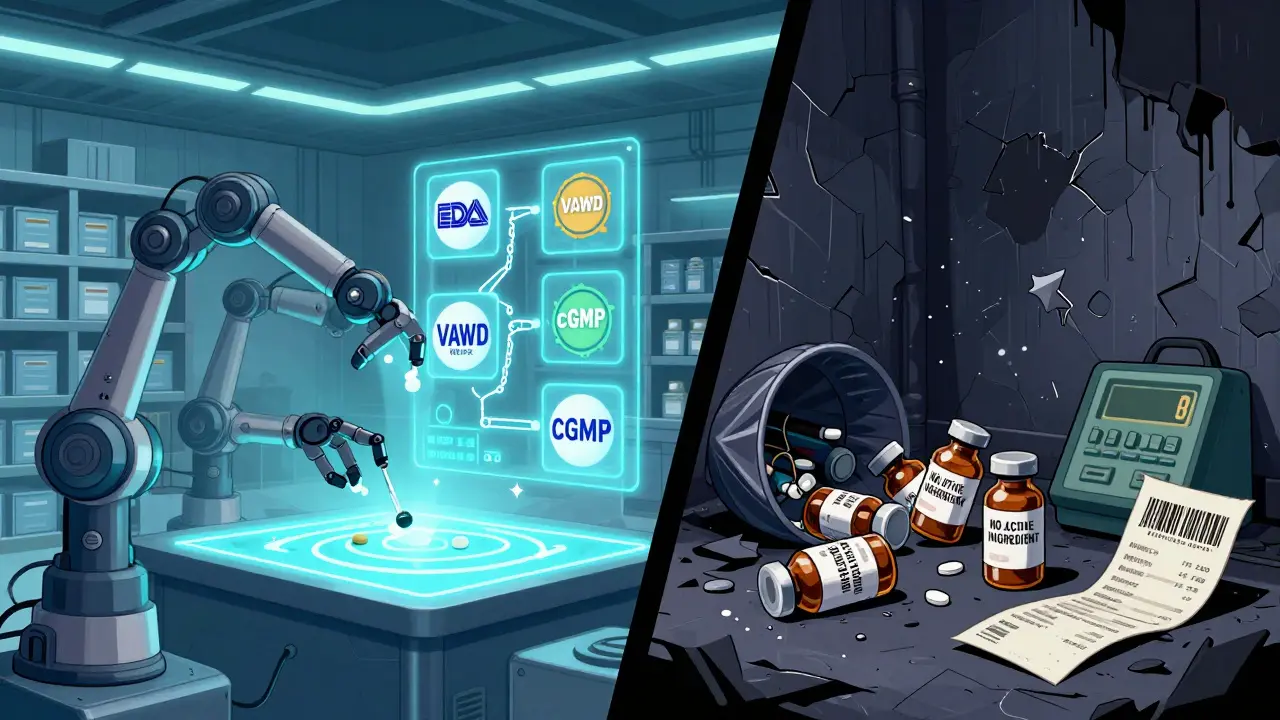
White Bagging, Brown Bagging, and Other Risky Workarounds
Some pharmacies try to save money or speed things up by using nontraditional methods like “white bagging” or “brown bagging.”White bagging means a specialty pharmacy ships drugs directly to a clinic, where staff administer them. Brown bagging means a patient picks up a drug from a retail pharmacy and brings it to the clinic themselves. Both sound convenient - until something goes wrong.
ASHP found that 42% of health systems using these methods had at least one medication error tied to improper handling. Temperature-sensitive drugs like biologics can spoil if not kept cold. A patient might forget to bring the drug. Or worse - they might bring the wrong one.
These methods also bypass DSCSA tracking. There’s no electronic trail. No accountability. That’s why most hospital pharmacies now ban them unless absolutely necessary - and even then, only with extra verification steps.
The Real Cost of Compliance
Yes, following the rules costs money. But not following them costs more.Independent pharmacies spend 10% of their budget on compliance - that’s $50,000 a year for a small shop. Chain pharmacies spend only 6%. Why? Because chains have centralized systems, legal teams, and buying power. Independent pharmacies don’t.
But here’s the kicker: pharmacies that use Group Purchasing Organizations (GPOs) with dedicated compliance teams saw zero supply chain security incidents in 2022. Those managing procurement alone? 33% had at least one issue.
Compliance isn’t just a cost - it’s an investment. The FDA reports 2,147 suspicious activity reports in 2022, up 28% from 2021. Counterfeiters are getting smarter. So must pharmacies.
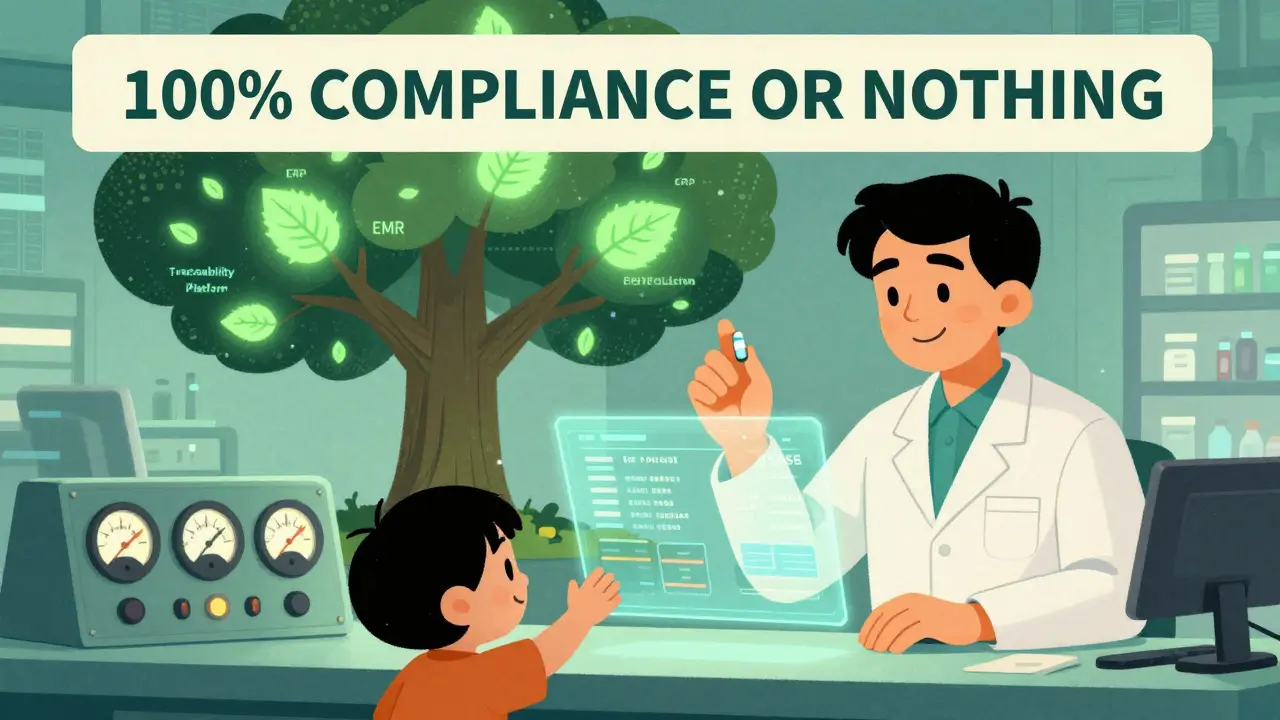
What’s Changing in 2024 and Beyond
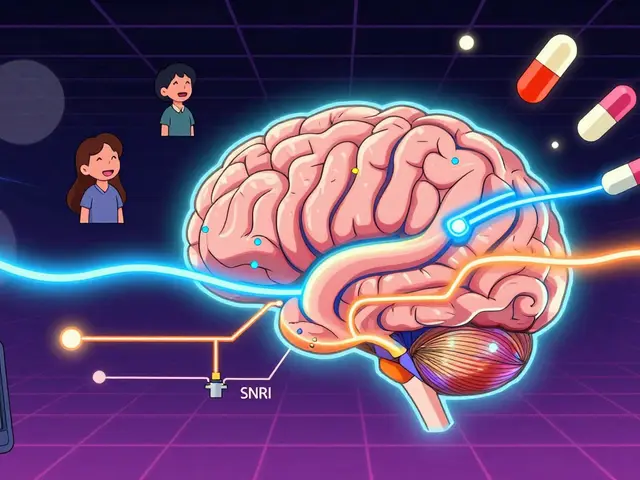
The rules are tightening. In 2024, ASHP will release updated guidelines that include stricter rules for verifying 503B compounders - the labs that make custom drugs. The FDA is also getting more funding - $150 million more in 2024 - to crack down on illegal imports and online pharmacies selling fake drugs.Technology is helping too. By 2025, 73% of health systems plan to use blockchain or AI tools to detect anomalies in supply chain data. These systems can spot patterns that humans miss - like a drug being shipped from a warehouse in a country that doesn’t manufacture it.
One hospital in Chicago started using AI-powered traceability software last year. It flagged a suspicious shipment of metformin before it was even unloaded. The supplier was shut down. The pharmacy avoided a recall. That’s the kind of return on investment you can’t ignore.
Who’s Responsible?
You can’t just hand this off to your purchasing clerk. Legitimate drug procurement needs leadership.ASHP recommends every pharmacy have a Chief Pharmacy Officer (CPO) with direct responsibility for sourcing. By 2023, 92% of academic medical centers had one. Small pharmacies? Many still don’t. That’s a problem.
Staff need training too. It takes 120 hours of focused learning to understand DSCSA, cGMP, and state-specific rules. Certification through the Certified Health Care Supply Chain Professional (CHCSCP) program takes six months - but it’s worth it. Pharmacies with certified staff had 63% fewer procurement-related errors.
And don’t forget the systems. You need three things working together:
- An electronic medical record (EMR)
- An enterprise resource planning (ERP) system
- A pharmaceutical traceability platform
Only 35% of health systems have these systems talking to each other. That’s a major gap. If your inventory system doesn’t sync with your traceability platform, you’re flying blind.
Final Takeaway: Don’t Guess. Verify.
There’s no such thing as a “safe enough” supplier. If you don’t have proof, you don’t have safety.Every time you order drugs, ask yourself:
- Can I verify the supplier’s FDA registration?
- Do I have the full electronic transaction history?
- Did I scan and match every barcode?
- Is this drug stored properly?
- Would I give this medication to my own family?
If you can’t answer yes to all five, stop. Walk away. Find a better supplier. Because in pharmacy, the only acceptable standard is 100% compliance. No compromises. No exceptions. Patient lives depend on it.
What is the Drug Supply Chain Security Act (DSCSA)?
The Drug Supply Chain Security Act (DSCSA) is a U.S. federal law passed in 2013 that requires all parties in the pharmaceutical supply chain - manufacturers, wholesalers, and pharmacies - to electronically track prescription drugs from production to dispensing. By November 2023, all trading partners had to exchange transaction data, including product identifiers, lot numbers, and expiration dates, to prevent counterfeit, stolen, or contaminated drugs from entering the legal supply chain.
How do I know if a drug supplier is legitimate?
Verify their FDA registration using the FDA’s online database, confirm they hold valid state pharmacy licenses, check their participation in the VAWD program, and request at least three years of compliance documentation. Always require electronic transaction information (TI, TH, TS) for every shipment and scan every product’s barcode upon receipt to match it with your order.
Can I buy drugs from international suppliers?
Buying drugs from international suppliers is risky and often illegal under U.S. law. The FDA does not regulate foreign manufacturers the same way it does domestic ones. Many countries have weaker quality controls, and drugs imported this way bypass DSCSA tracking. Even if the price is lower, the risk of counterfeit, expired, or contaminated drugs is extremely high. Stick to U.S.-licensed distributors.
What should I do if I suspect a drug is counterfeit?
Immediately quarantine the product. Do not dispense it. Contact your distributor and report the issue. File a report with the FDA’s MedWatch program and notify your state board of pharmacy. Document everything - photos, packaging, lot numbers, delivery records. If multiple products from the same supplier are suspicious, stop ordering from them and investigate further.
Why is barcode scanning required for every drug shipment?
Barcode scanning ensures the National Drug Code (NDC), lot number, and expiration date on the physical package match the electronic transaction data. This is the only way to confirm the product is authentic and hasn’t been tampered with. ASHP recommends 100% scanning - no exceptions. Skipping this step is like opening a package without checking the seal. You can’t assume it’s safe.
How much time does compliance take for a small pharmacy?
On average, small pharmacies spend 15-20 hours per week verifying suppliers, reviewing documentation, and managing DSCSA data. That’s nearly half a full-time employee’s workload. Many turn to Group Purchasing Organizations (GPOs) or compliance software to reduce this burden. The cost of not doing it - fines, recalls, lawsuits - is far higher than the time investment.
Are generic drugs more likely to be counterfeit?
Not inherently. Generic drugs are held to the same FDA standards as brand-name drugs. However, because they’re cheaper and in higher volume, counterfeiters target them more often. The problem isn’t the drug type - it’s the sourcing. Always verify the supplier, regardless of whether the drug is generic or brand-name.
What’s the difference between white bagging and brown bagging?
White bagging is when a specialty pharmacy ships a drug directly to a clinic for administration. Brown bagging is when a patient picks up the drug from a retail pharmacy and brings it to the clinic themselves. Both bypass standard supply chain tracking and increase the risk of improper storage, handling, or mix-ups. Most hospitals avoid them unless absolutely necessary - and even then, with strict oversight.


Ambrose Curtis
January 26, 2026 AT 19:36man i used to think buying cheap meds from that one shady distributor was a smart move... until my aunt got sick from fake metformin. now i verify everything. even if it takes 3 extra hours a week. worth it.
Linda O'neil
January 27, 2026 AT 03:01seriously though, if your pharmacy isn't scanning barcodes on every shipment, you're playing russian roulette with people's lives. no excuses. i've seen the aftermath. it's not pretty.
Chris Urdilas
January 28, 2026 AT 08:37oh wow, another 'follow the rules or die' lecture. yeah yeah, DSCSA, VAWD, blah blah. but let’s be real - most of these regulations just make small pharmacies go broke while the big chains laugh all the way to the bank. maybe the system’s broken, not the people trying to survive in it.
Jeffrey Carroll
January 29, 2026 AT 03:36While the regulatory framework outlined in this post is indeed comprehensive and necessary, it is imperative to recognize that the burden of compliance disproportionately impacts independent pharmacies. The infrastructure required for full DSCSA adherence - including ERP integration, traceability platforms, and certified personnel - is often financially prohibitive. A systemic solution, perhaps through federal subsidies or centralized compliance services, may be warranted to ensure equitable patient safety across all care settings.
Phil Davis
January 30, 2026 AT 11:52so we’re supposed to trust the FDA’s database but not the guy who’s been supplying us for 12 years? funny how the ‘legitimate’ supplier always has the worst customer service.
Irebami Soyinka
February 1, 2026 AT 00:31USA think they own the medicine world 😂. In Nigeria we get real drugs from China and India - cheaper, faster, and sometimes better than your overpriced fake brand-name stuff. Your ‘DSCSA’ is just a tax on the poor. 🇳🇬💊
doug b
February 1, 2026 AT 10:40you don't need to be a genius to do this right. check the license. scan the barcode. ask for the docs. if it feels sketchy, it is. i've been doing this for 20 years. simple beats fancy every time.
SRI GUNTORO
February 1, 2026 AT 17:04How can you even consider sourcing from anyone who doesn't have 100% perfect compliance? This isn't a suggestion - it's a moral imperative. If you're cutting corners, you're complicit in harm. Shame on you if you don't follow every single rule.
Kevin Kennett
February 3, 2026 AT 03:55listen, i get it - compliance is a nightmare. but here’s the thing: if you’re a small pharmacy and you can’t handle this alone, join a GPO. don’t suffer in silence. there are people who’ve been where you are. we’ve got templates, checklists, even free webinars. you’re not alone. let’s fix this together.
Jess Bevis
February 3, 2026 AT 12:37Barcodes save lives.
Bryan Fracchia
February 4, 2026 AT 20:18you know what’s wild? we treat medicine like it’s just another product. but it’s not. it’s trust. it’s someone’s grandpa getting his insulin, a kid getting antibiotics, a cancer patient waiting for their next dose. if we treat this like a supply chain problem, we’ve already lost. it’s a human problem. and we’re the ones holding the line.
Rose Palmer
February 5, 2026 AT 10:19It is imperative to underscore that adherence to the Drug Supply Chain Security Act (DSCSA) constitutes a fiduciary and ethical obligation, not merely a regulatory requirement. The absence of electronic transaction data, verification of vendor credentials, or barcode reconciliation constitutes a material breach of patient safety protocols, and may expose the institution to civil liability, criminal prosecution, and irreversible reputational harm. Compliance is not optional; it is foundational.
Howard Esakov
February 5, 2026 AT 12:43Wow, a whole 1500-word essay on how to not get sued. Congrats, you’ve turned pharmacy into a corporate compliance seminar. Meanwhile, real people are waiting for their meds while you’re triple-checking a supplier’s VAWD status. 🤦♂️
Kathy Scaman
February 7, 2026 AT 06:01my grandma got her blood pressure meds from a guy who drove up in a van. she’s 89 and still kicking. maybe we’re overcomplicating this? 🤷♀️